

Auto-Tune is a digital audio processing know-how widely used within the music business to right and manipulate the pitch of vocal performances. Developed by Antares Audio Technologies, Auto-Tune has turn out to be synonymous with pitch correction and inventive vocal effects. Here's an introduction to the fundamentals of Auto-Tune and its utility in vocal pitch correction:
**1. Pitch Correction:
a. How It Works:
Auto-Tune makes use of advanced algorithms to research the pitch of an incoming vocal sign.
It compares the detected pitch to a user-defined reference pitch or musical scale.
If there's a deviation from the reference pitch, Auto-Tune routinely corrects the pitch to deliver it according to the desired tonality.
b. Correction Speed:
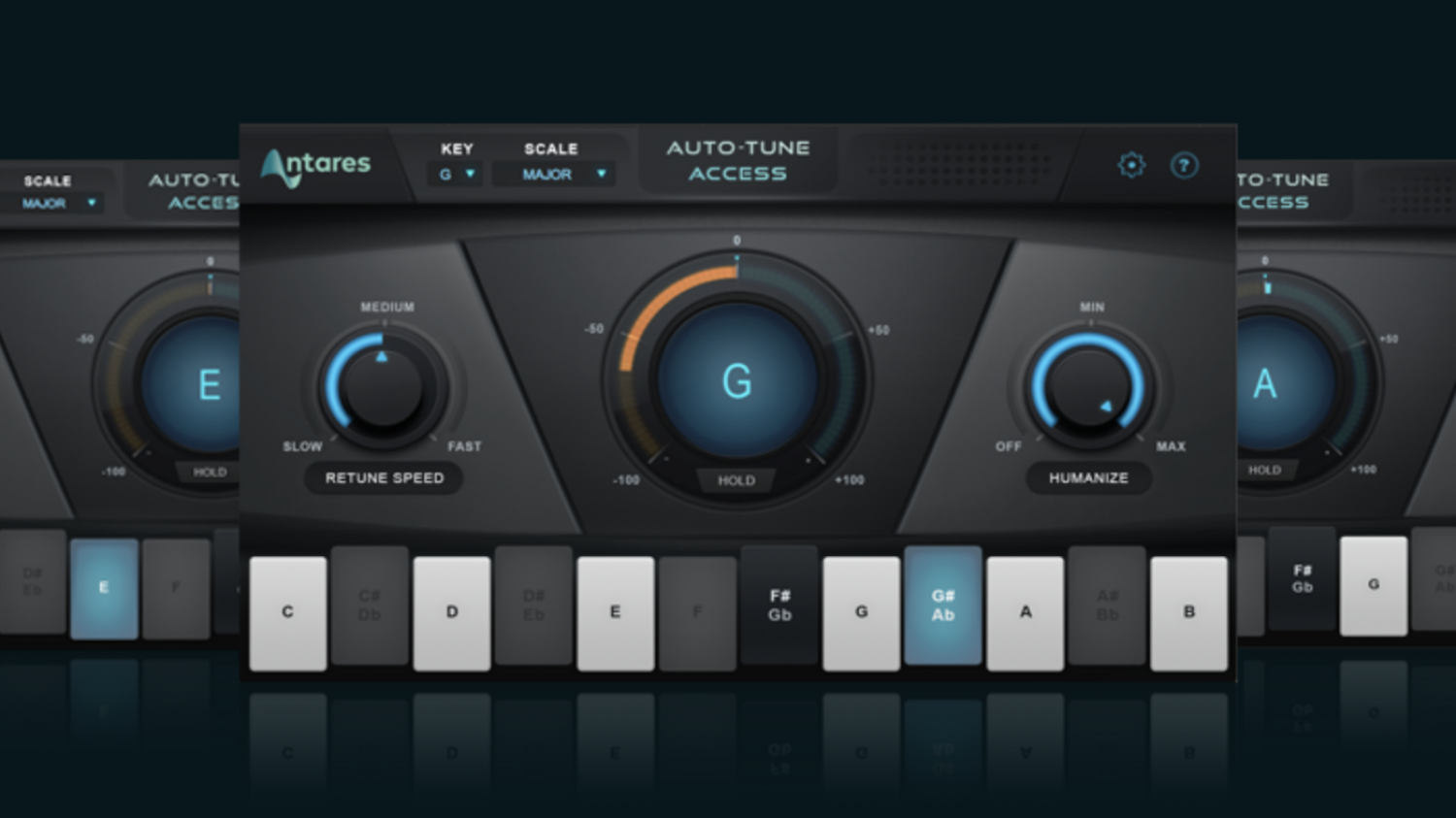
The correction pace determines how quickly Auto-Tune adjusts the pitch. Faster settings result in extra quick corrections, whereas slower settings create a smoother, more natural-sounding impact.
c. Real-Time vs. Post-Processing:
Auto-Tune can operate in real-time throughout stay performances or as a post-processing impact within the studio throughout recording or mixing.
**2. User-Defined Settings:
a. Scale and Key:
Users can specify the musical scale and key of the music. This information helps Auto-Tune make correct pitch corrections based on the context of the music.
b. Customization:
Auto-Tune provides customizable parameters, permitting customers to tailor the pitch correction to their preferences and the precise wants of a efficiency.
**3. Creative Effects:
a. Stylized Vocal Choices:
While initially designed for pitch correction, Auto-Tune gained reputation for its creative potential. Artists deliberately use exaggerated pitch correction to achieve the distinctive "auto-tuned" sound.
b. Formant Shifting:
Some versions of Auto-Tune embrace formant shifting capabilities, permitting for manipulation of the vocal timbre whereas preserving pitch correction.
**4. Real-Time Performance:
a. Live Pitch Correction:
Auto-Tune is usually used throughout reside performances to ensure pitch accuracy, particularly in challenging acoustic or monitoring conditions.
b. Reducing Performance Pressure:
It helps alleviate some strain on stay performers, permitting them to concentrate on different elements of their efficiency with out being overly concerned about pitch perfection.
**5. Industry Impact:
a. Shaping Music Genres:
Auto-Tune has considerably influenced the sound of latest music, contributing to the evolution of varied genres.
b. Mainstream Recognition:
The distinctive Auto-Tune effect has become recognizable in mainstream culture, related to particular artists and musical kinds.
**6. Criticism and Controversy:
a. Overuse Concerns:
Auto-Tune has confronted criticism for its potential to be overused, leading to a homogenized and synthetic sound in music.
b. Loss of Authenticity:
Some argue that extreme use of Auto-Tune can lead to a lack of the natural expressiveness and authenticity of a musician's efficiency.
**7. Ongoing Evolution:
a. how to use autotune in Garageband :
Auto-Tune continues to evolve with developments in digital sign processing and music technology, offering new options and capabilities.
b. Integration with DAWs:
Auto-Tune is integrated into many digital audio workstations (DAWs), making it a seamless device for music producers.
In summary, Auto-Tune serves as a flexible device for vocal pitch correction, offering both technical correction and creative expression possibilities. Its impression on the music trade is profound, shaping the sound of contemporary music and offering artists with innovative ways to discover vocal aesthetics..